
Packing Like a Pro: Room-by-Room Guide for Moving House
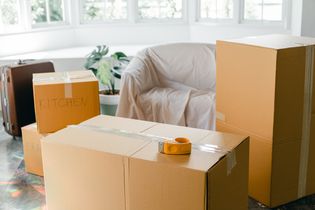
Moving house can feel overwhelming, especially when you look around and realise just how much stuff you’ve collected over the years. But with the right plan, good packing materials and a bit of organisation, packing doesn’t have to be stressful.
In this guide, we’ll walk you through exactly how to pack for a move in the UK, room by room, so you can protect your belongings, stay organised and make moving day far easier.
Whether you’re moving across Bristol or relocating further afield, these practical packing tips will help you feel more in control from start to finish.
Why Good Packing Makes Moving Easier
Packing is one of the most important parts of any house move. Before you begin, it’s worth gathering all the materials you’ll need. Using strong boxes and quality packing supplies can make a significant difference when it comes to protecting your belongings during transit.
Essential Packing Supplies Checklist:
- Strong cardboard boxes in different sizes
- Packing tape
- Bubble wrap
- Packing paper
- Marker pens
- Labels or coloured stickers
- Furniture covers
- Stretch wrap
- Zip bags for screws and small parts
- Scissors or box cutters
Avoid overfilling boxes, particularly with heavy items such as books. Smaller, well-packed boxes are much easier and safer to move.
When to Start Packing
One of the biggest moving mistakes is leaving packing until the last minute. Ideally, you should begin several weeks before your moving date, starting with items you rarely use and gradually working through the house.
Use this opportunity to declutter as well. Selling, donating or recycling unwanted items before moving day reduces the amount you need to transport and can help lower removals costs. By the final few days before your move, most of your belongings should already be packed, leaving only everyday essentials to sort out.
Packing Different Rooms Efficiently
The kitchen is often the most time-consuming room to pack because it contains lots of fragile items. Plates, glasses and mugs should be wrapped individually and packed securely to prevent movement during transport. Small appliances should be protected and any loose cables secured.
Bedrooms and living rooms are usually more straightforward. Clothes can often remain on hangers and be transferred into wardrobe boxes, while electronics should be disconnected carefully and labelled to make reassembly easier. Valuable items, jewellery and important documents should be kept separate and transported personally wherever possible.
Bathrooms are often left until the last minute, but it’s worth checking for liquids that could leak during transit and disposing of any unwanted toiletries before packing.
Don’t Forget an Essentials Box
One of the simplest ways to reduce stress on moving day is to prepare an essentials box. This should contain everything you’ll need during your first 24 hours in your new home, such as toiletries, medication, chargers, important documents, tea and coffee supplies, a change of clothes and basic kitchen items.
Keeping these essentials with you rather than loading them into the removals van can make settling into your new property much easier.
Protecting Fragile Items
Fragile belongings require extra care during packing. Use plenty of cushioning materials, fill empty spaces inside boxes and clearly label anything that needs careful handling. Heavy boxes should never be overloaded, as they are more difficult to move safely and more likely to fail during transport.
If you’re moving particularly valuable possessions such as antiques, artwork, musical instruments or large electronics, professional packing services can provide additional peace of mind.
Common Packing Mistakes to Avoid
Most packing problems come down to poor planning. Leaving packing too late, failing to label boxes clearly and overloading large boxes are among the most common mistakes homeowners make. Another frequent issue is paying to move items that are no longer wanted or needed.
Starting early, staying organised and decluttering wherever possible will help ensure your move goes smoothly from start to finish. If you’d rather leave the packing to the professionals, On The Dot Removals offers expert packing services designed to keep your belongings safe throughout the moving process.
Final Thoughts
Knowing how to pack for a move in the UK can make moving day feel far less stressful. With a clear plan, the right materials and a room-by-room approach, you’ll stay organised and protect your belongings throughout the move.
And if you’d rather leave the packing to professionals, On The Dot Removals is always happy to help.
From home removals and business relocations to packing and storage solutions across Bristol, we’re here to make moving day easier from start to finish.